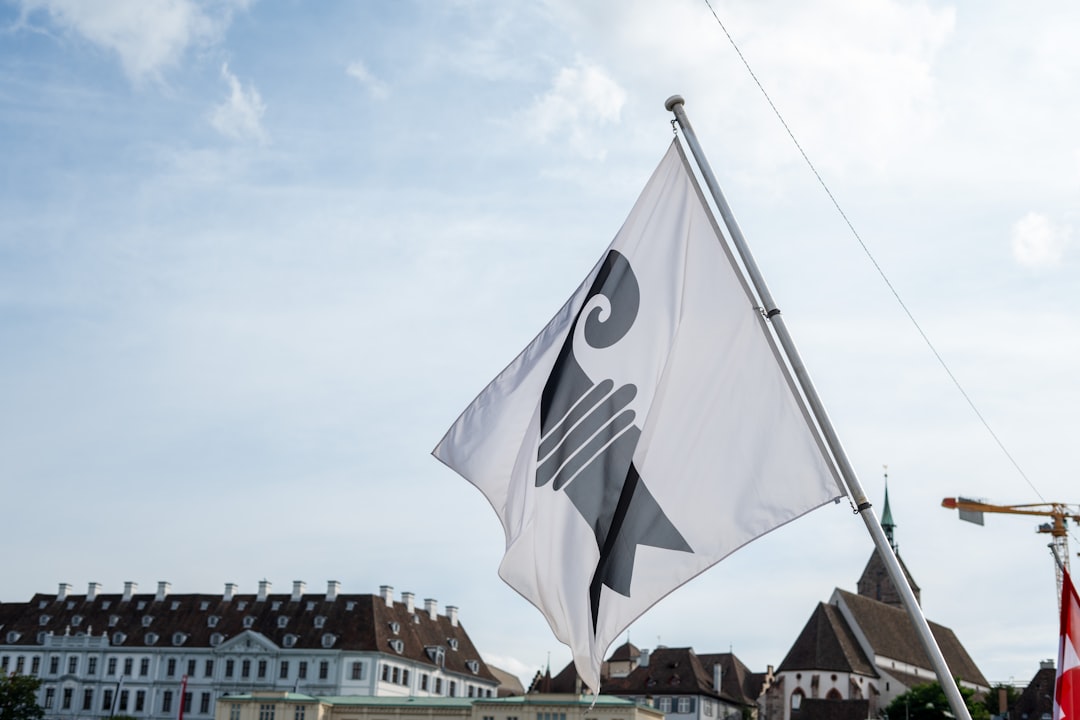
Switzerland: Where the Alps Touch the Sky
Peaks, lakes, and the precision of silence
Peaks, lakes, and the precision of silence
Switzerland is where mountains sharpen the horizon and every valley holds a lake like a mirror. From the Matterhorn's horn to the shores of Lake Geneva, the country runs on clockwork and chocolate — but its soul is wild, high, and untamed.
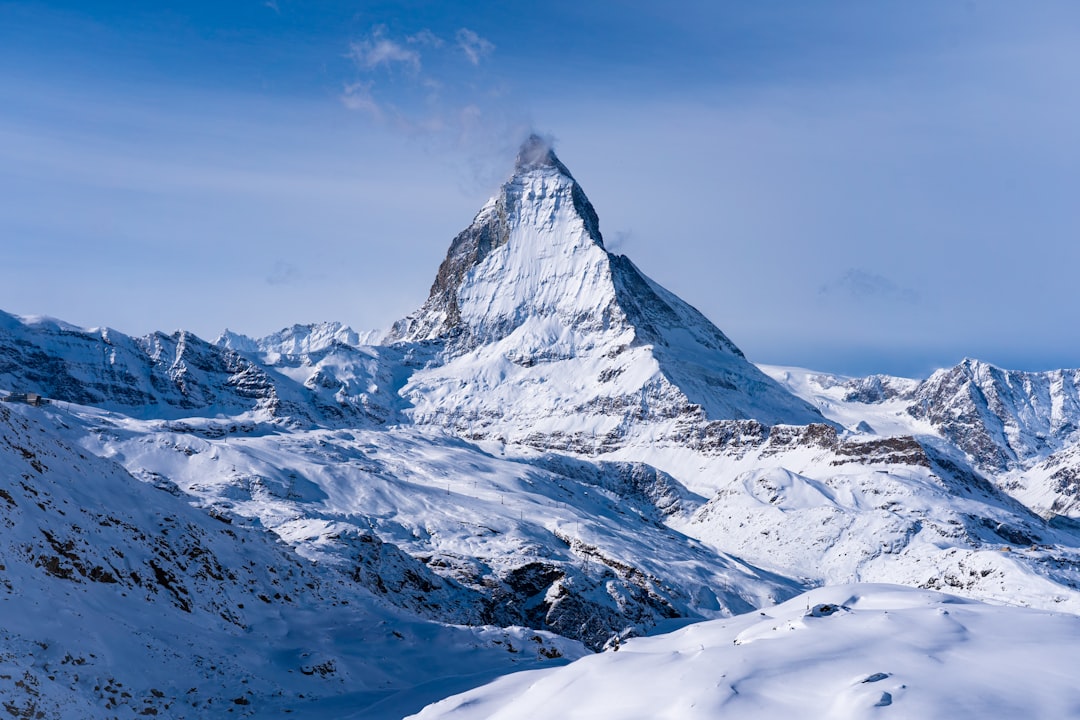
The pyramid of Zermatt needs no introduction — one of the world's most recognisable peaks, sharp as a blade against the sky. Whether you climb it or simply gaze from the village, it rewrites what you think a mountain can be.
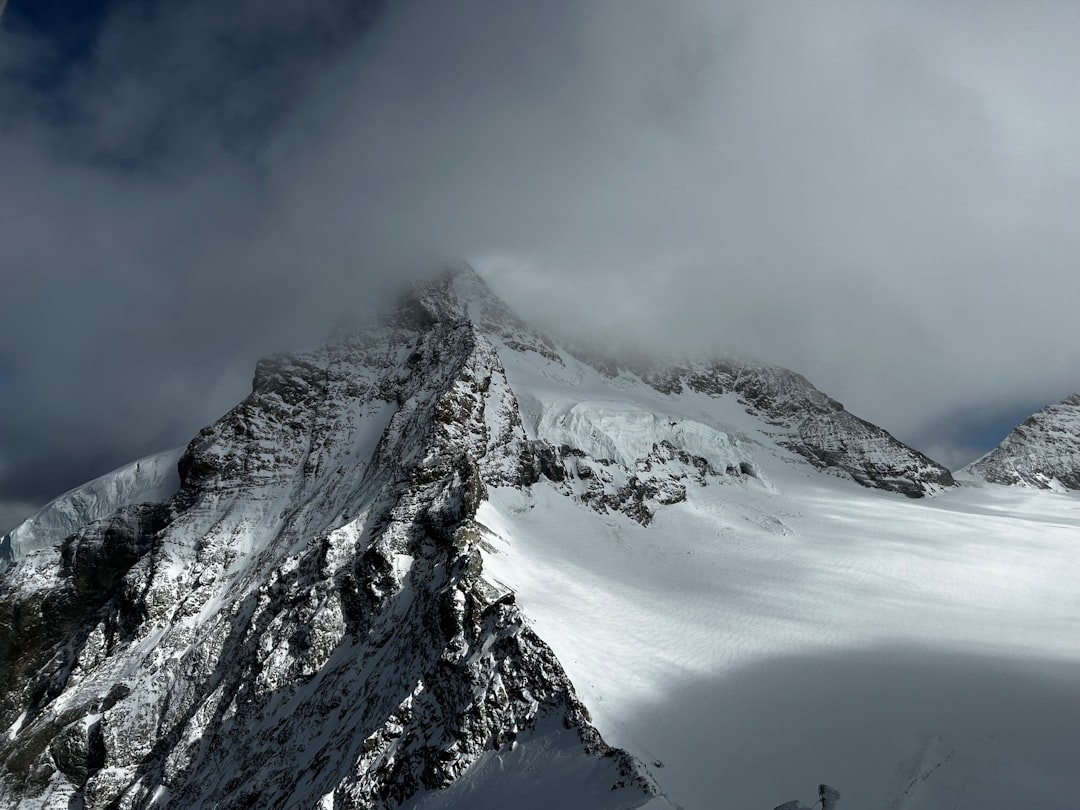
The railway to the Top of Europe climbs through the Eiger to a world of ice and thin air. At 3,454 metres you stand between the Jungfrau and the Aletsch Glacier — Europe's largest — and the horizon is nothing but white and blue.
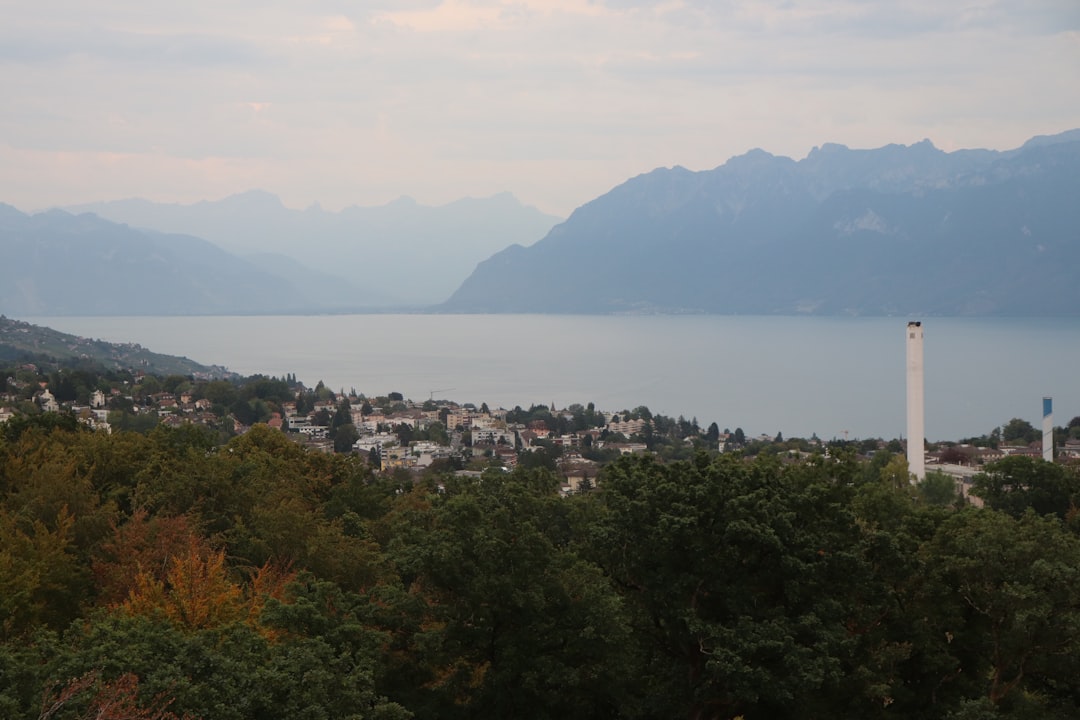
The lake stretches from Geneva to Montreux, with the Alps rising on one side and vineyards on the other. The Jet d'Eau shoots into the sky at Geneva; at the eastern end, Chillon Castle seems to grow from the water.
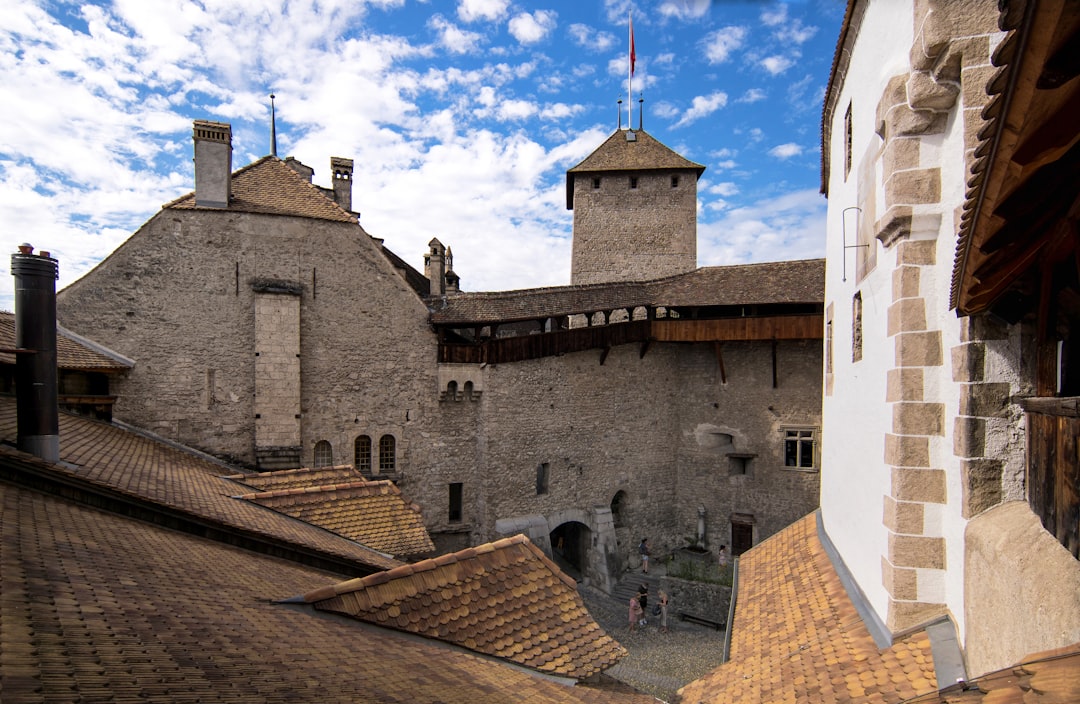
A fortress on a rock in Lake Geneva, with dungeons, towers, and a view that Byron and Rousseau made famous. Walk the ramparts and you feel centuries of sieges, prisoners, and poets in a single stone corridor.
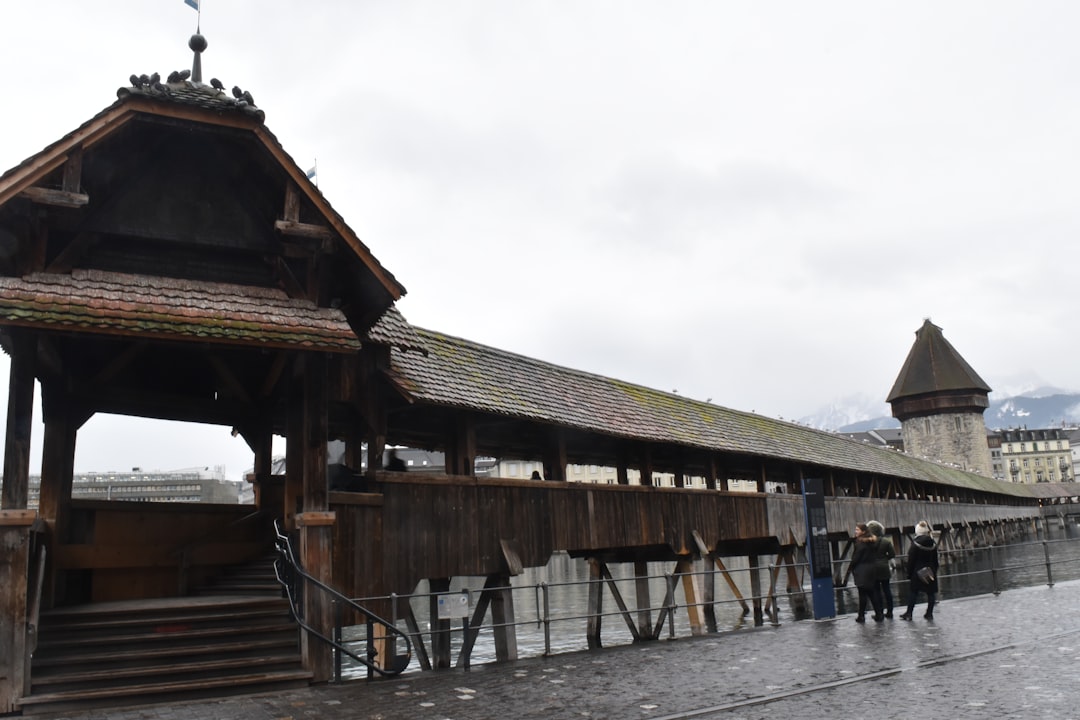
The wooden Kapellbrücke crosses the Reuss in the heart of Lucerne, painted with panels of history and myth. The old town, the lake, and the Pilatus massif in the distance make it the postcard Switzerland was invented for.
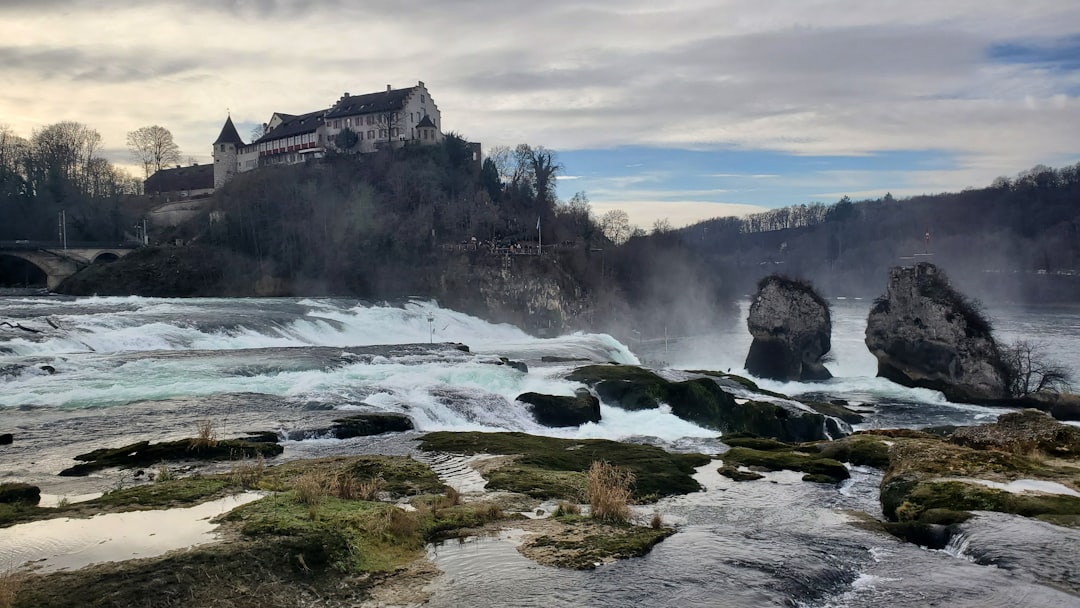
Europe's most powerful waterfall thunders near Schaffhausen — broad, loud, and relentless. Boats take you to the rocks in the middle; from the viewing platforms the spray catches the light in a permanent rainbow.
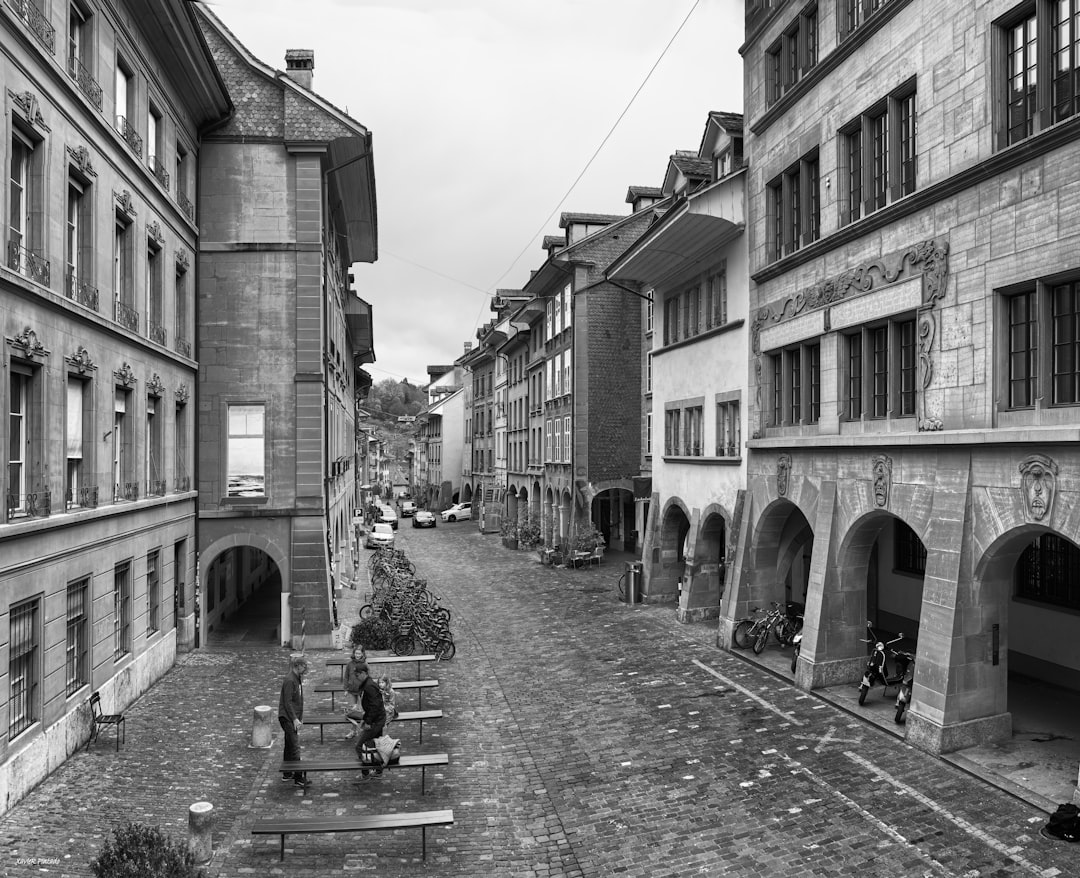
The federal capital is a UNESCO gem of arcades, fountains, and sandstone façades. The Zytglogge tower marks the hours with a medieval clock show; the Bear Park and the Aare bend complete a city that feels both grand and intimate.
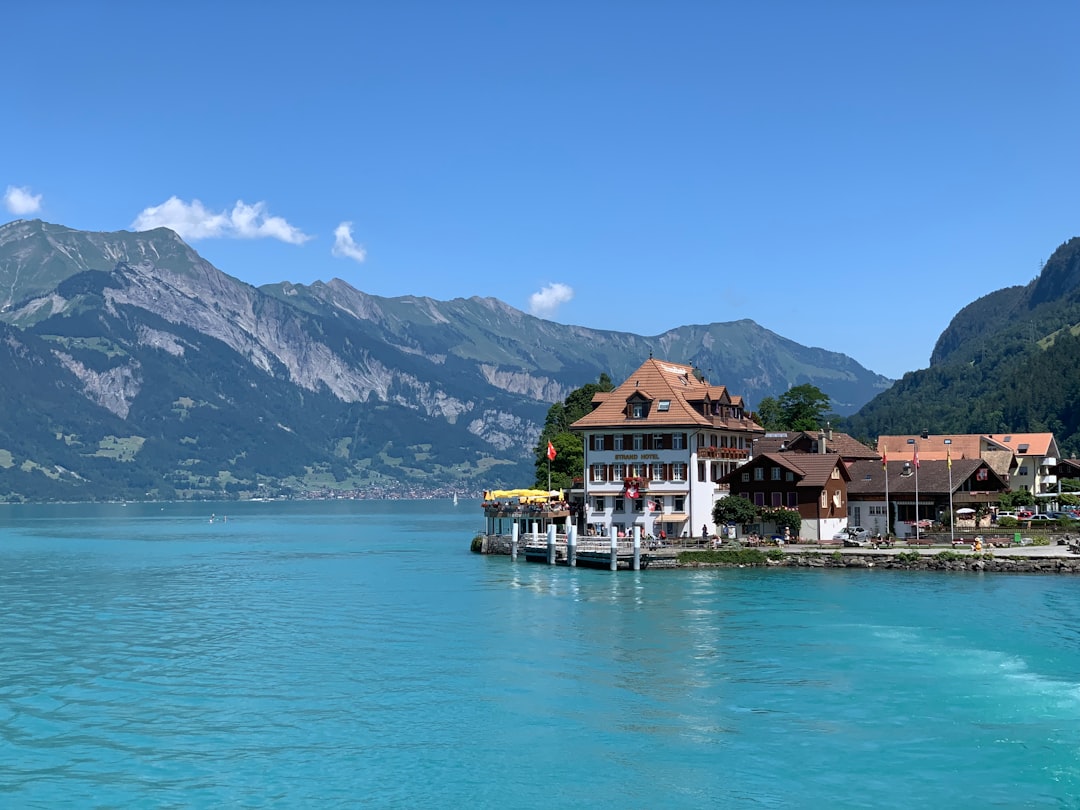
Between Lake Thun and Lake Brienz, Interlaken is the gateway to the Jungfrau region — paragliders in the sky, peaks on every side, and a valley that has drawn travellers since the Romantics.
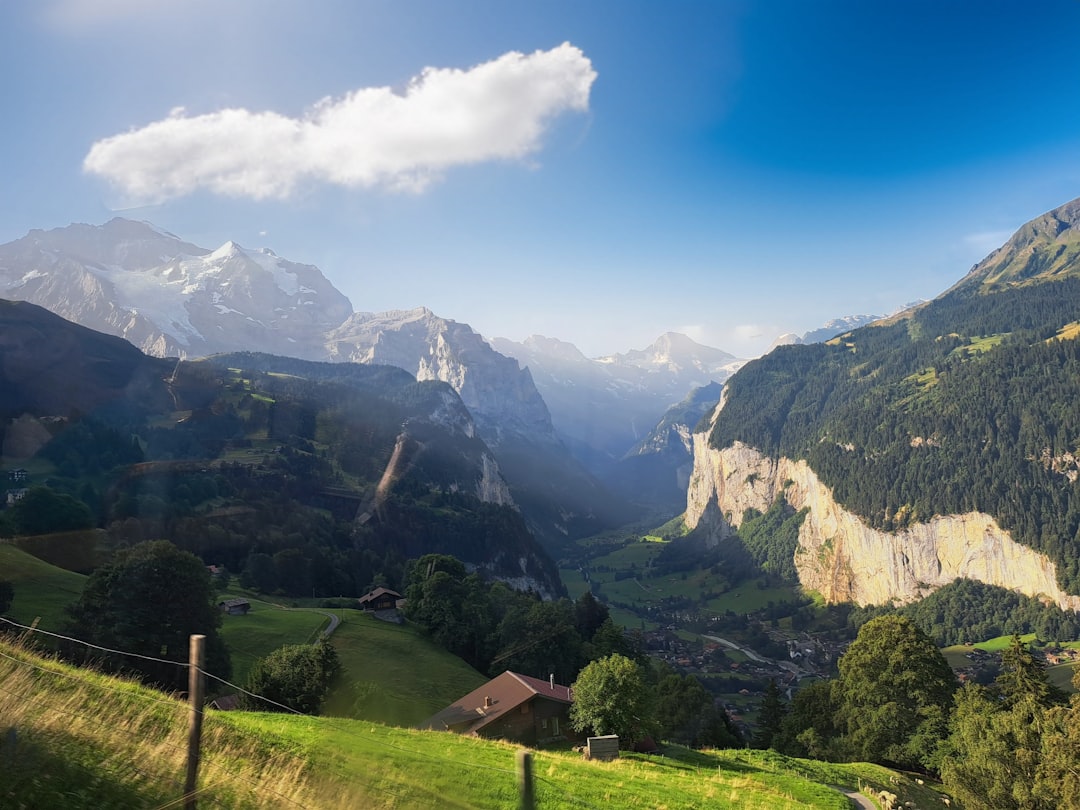
Seventy-two waterfalls pour from vertical cliffs into a green valley — Staubbach Falls right above the village, Trümmelbach inside the mountain. It's the landscape that inspired Tolkien's Rivendell; in autumn the mist and the leaves make it feel like another world.